



What Actually Matters for Your Health-Beyond the Dietary Guidelines
| Dr. Vanessa Rodríguez supports the Dietary Guidelines’ recognition of nutrition’s role in chronic disease, but—aligned with the American College of Lifestyle Medicine— does not agree with recommendations that increase saturated fat intake. She continues to advocate for whole, plant-forward nutrition as a key strategy for preventing and managing Type 2 diabetes and other chronic conditions. |
If you’ve ever felt confused by changing nutrition advice, you’re not alone. With the recent dietary guidelines making headlines, it’s easy to wonder what actually matters for your health.
Nutrition is one of the most powerful tools we have in medicine. It can prevent disease, slow progression, reduce medication dependence, and in many cases, help patients reclaim their health.
That’s why I believe it’s important to be transparent about where I stand on the current Dietary Guidelines issued by the U.S. Department of Health and Human Services.
What the Guidelines Get Right
The recently updated guidelines do acknowledge something critically important:
Nutrition plays a central role in chronic disease.
They also emphasize:
- The importance of whole foods
- Limiting added sugars
- Reducing intake of ultra-processed foods
These are meaningful steps in the right direction.

Where My Clinical Approach Differs
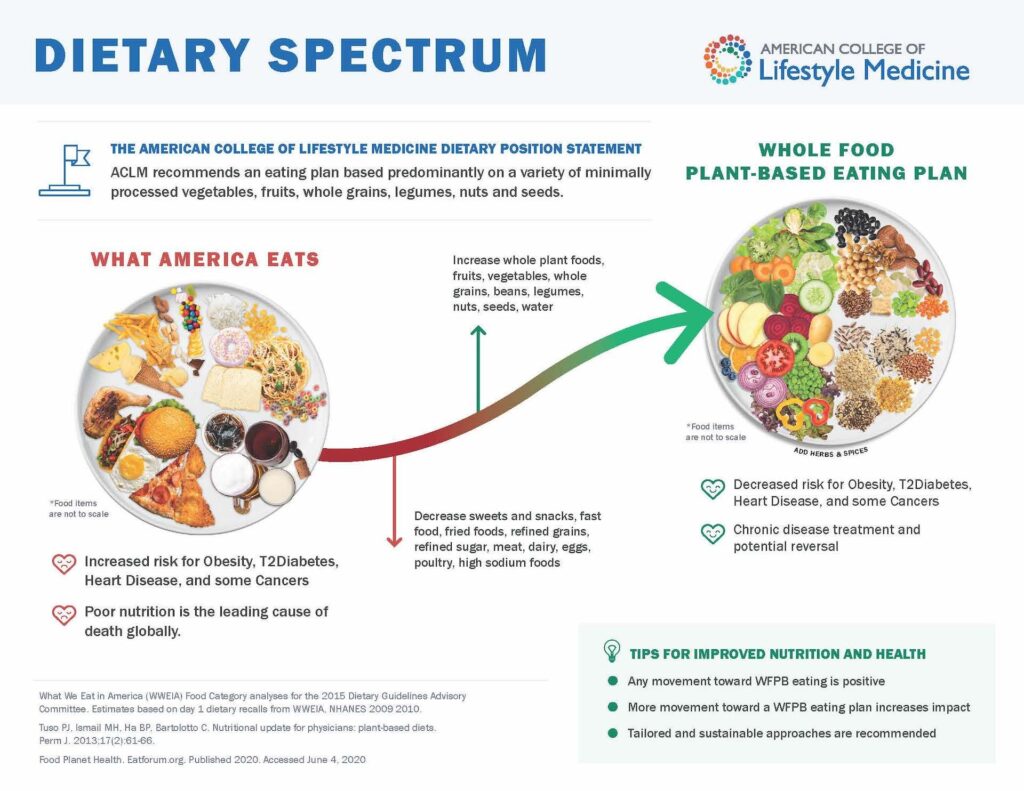
As a member of the American College of Lifestyle Medicine, I align with its evidence-based dietary position, which differs from certain aspects of the new federal guidance.
Specifically, ACLM and many lifestyle medicine physicians are concerned about recommendations that appear to promote increased consumption of: red meat, butter, beef tallow, and full-fat dairy.
These suggestions conflict with decades of research showing that excess saturated fat increases the risk of cardiovascular disease and worsens metabolic health, especially in people already at risk.
This is particularly relevant for individuals living with—or trying to prevent—Type 2 diabetes, Metabolic Syndrome, and PCOS, all conditions strongly influenced by nutrition quality.
My Nutrition Philosophy as a Physician
In my clinical practice, I focus on what the evidence consistently supports:
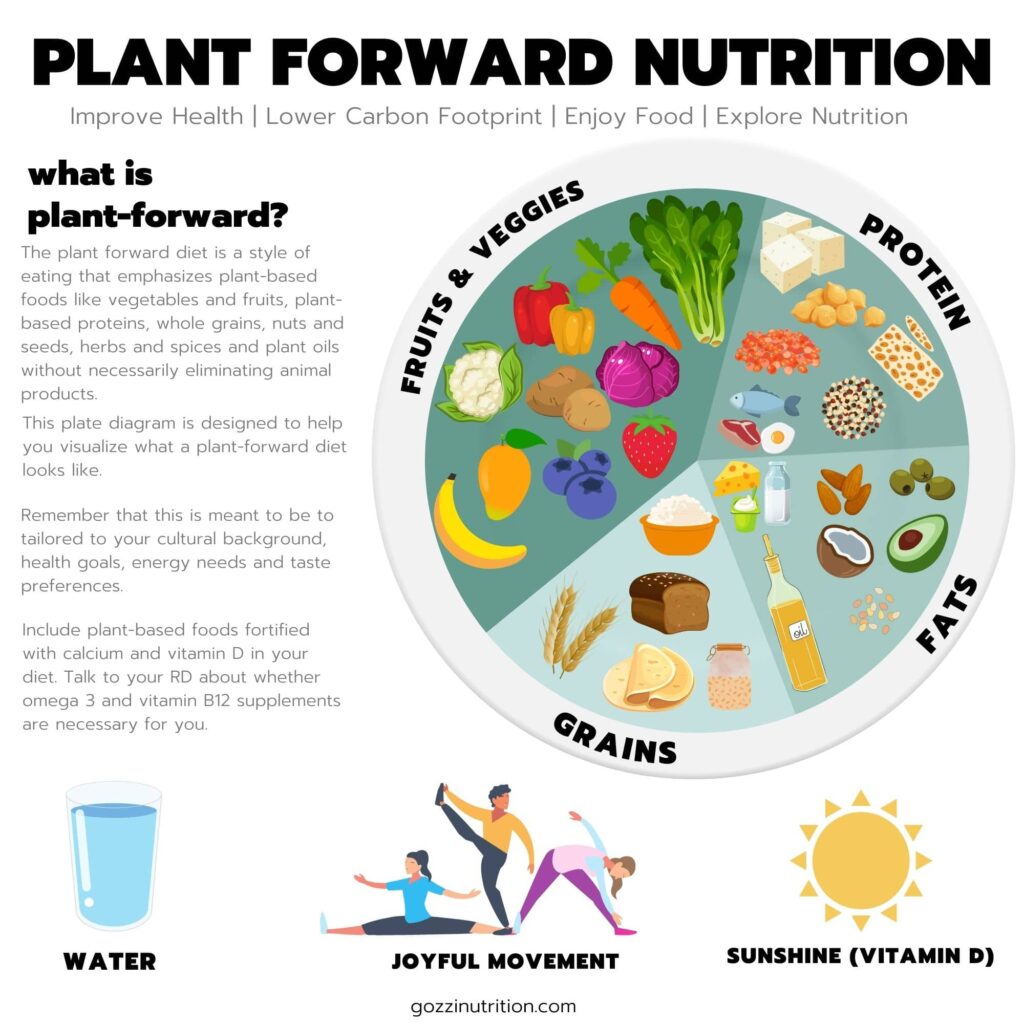
- A plant-forward, whole-food dietary pattern
- Emphasis on vegetables, fruits, legumes, whole grains, nuts, and seeds
- Minimal intake of ultra-processed foods
- Careful limitation of saturated fats
- Nutrition as a first-line therapy—not an afterthought
This approach has been shown to:
- Improve insulin sensitivity
- Lower blood sugar levels
- Reduce cardiovascular risk
- Support sustainable weight management
- Improve overall energy and quality of life
These are the same principles I apply daily with my patients, often leading to improvements that go beyond lab results and into how people actually feel.
Why This Matters for Type 2 Diabetes
Type 2 diabetes is not simply a condition to be managed with medication alone. In many cases, it—along with metabolic syndrome and polycystic ovary syndrome (PCOS)—can be prevented and, under medical supervision, even reversed through lifestyle changes, with nutrition as a foundational pillar.
When patients adopt evidence-based dietary patterns, we often see:
- Long-term health gains that extend far beyond diabetes
- Reduced need for medications
- Better glucose control
- Improved cholesterol and blood pressure
My Commitment to You
Guidelines will evolve. Headlines will change.
But my commitment remains steady: to practice medicine rooted in science, prevention, and long-term well-being.
If you’re ready to take a more proactive, evidence-based approach to your health, I invite you to schedule a visit. Together, we can create a plan that supports your long-term well-being.
This approach is especially relevant for individuals searching for ways to improve Type 2 diabetes, insulin resistance, or cardiometabolic health through nutrition.
Your health deserves more than trends. It deserves evidence.
Further Reading
For readers who would like to explore the sources behind this discussion:
American College of Lifestyle Medicine – Official Statement on the Dietary Guidelines for Americans – American College of Lifestyle Medicine supports Dietary Guidelines’ focus on healthy eating
2025 Dietary Guidelines Advisory Committee Scientific Report – Scientific Report of the 2025 Guidelines Advisory Committee | Dietary Guidelines for Americans
These resources provide additional context for how evidence was evaluated and where expert opinions differ.