


Hurricane Season & Health Preparedness: Protecting Your Medications with Peace of Mind
Hurricane season is part of life in Florida. For patients with chronic conditions — especially those managing diabetes or other chronic conditions — storms bring extra stress about how to protect essential medications. The good news: with a little preparation, you can safeguard your health and ease your worries.
General Preparedness
- Stock at least 7 days of water and non-perishable food.
- Keep a visible medical alert tag or bracelet.
- Have a list of emergency contacts, including your healthcare provider.
- Charge all your communication devices – cell phones, tablets, laptops, Apple Watches, or any other personal medical tracking device.
- Keep spare batteries for any device that is not rechargeable.

Power Options: From High-Tech to Simple Solutions
Many households now have access to generators or large battery systems to power refrigerators or medical devices during outages. These can certainly provide peace of mind, but if you don’t have them, don’t worry — even small steps like having a cooler with ice packs or a charged power bank can keep you safe.
Protecting Medications
- Keep at least 7–14 days of medications on hand when possible.
- Store prescriptions and dosing info in a waterproof bag.
- Have a cooler with ice packs ready for temperature-sensitive medications.
- Ask your local pharmacy or clinic if they can store your medications during prolonged outages.
Insulin, Diabetes Devices & Weight Loss Medications
- Refrigeration is best, but don’t panic if the power goes out.
- Do not freeze insulin — extreme cold makes it ineffective.
- Insulin and most GLP-1 analogs can safely remain at room temperature for 30–60 days (depending on the brand). Don’t throw away your supply without checking the guidelines or speaking with your provider.
- Keep insulin pumps and CGMs charged and have backup batteries or a portable power bank.
For a detailed checklist, see the Diabetes Emergency Kit guide (PDF) and this short video from the American Association of Clinical Endocrinologists on how to build a Diabetes Emergency Kit.

Biologics & Specialty Injectables
Medications for autoimmune or endocrine conditions (e.g., adalimumab, etanercept, growth hormones) must remain refrigerated as their potency can be lost if exposed to heat or freezing.

Liquid Medications & Eye Drops
Check the labels and store in a cool, dry place any pediatric or adult liquid antibiotics, anticonvulsants, or antivirals, glaucoma eye drops and other temperature-sensitive liquids.
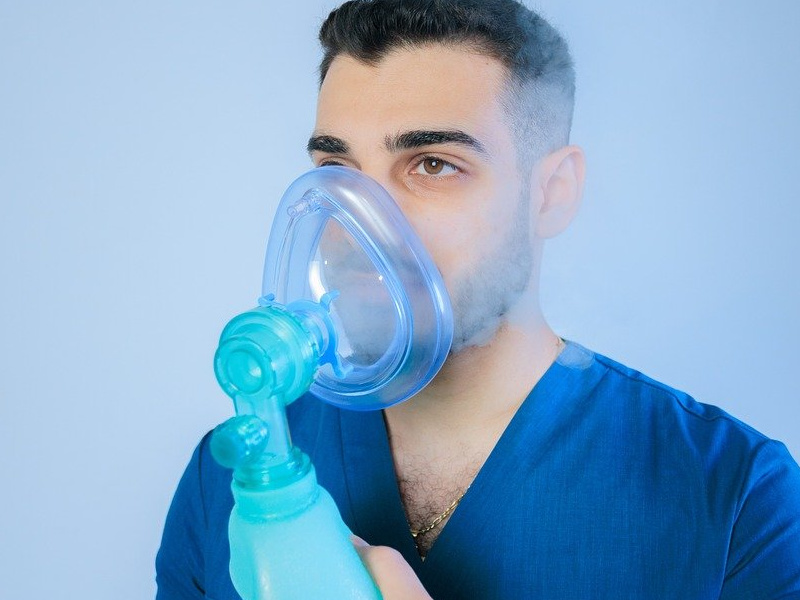
Respiratory & Sleep Devices
Nebulizers and CPAP machines rely on electricity; have charged batteries or power banks.
Prescription Refills During a State of Emergency
Did you know that if the Governor’s Office declares a state of emergency, Florida law (Section 252.358) requires all health insurers, managed care organizations, and pharmacies to allow early prescription refills? This provision remains active until the executive order expires or is rescinded.
That means you do not need a new prescription from your doctor — if your pharmacy has refills on file, they can fill them early, so you’re not left without essential medications during a storm.


Reassurance and Support
It’s normal to feel anxious about hurricanes when you depend on refrigerated or life-sustaining medications. Remember: preparation is the best way to stay calm. By taking these steps — and knowing that there are community and medical resources ready to help — you can face storm season with greater confidence and peace of mind.